
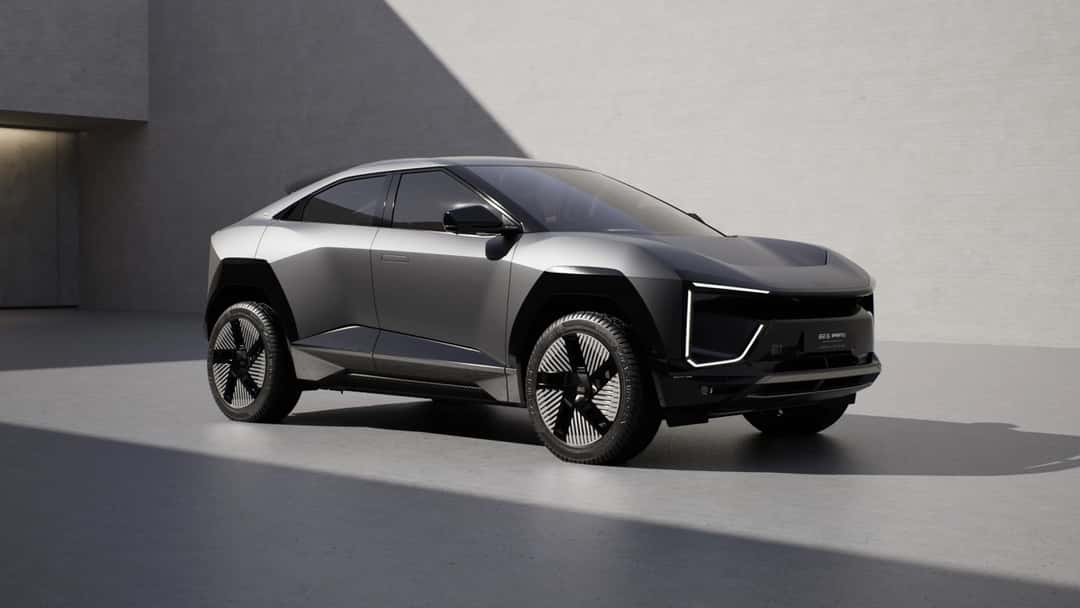
What Is an EV Car PDI?
An EV Car PDI is a pre-delivery examination performed on a new electric vehicle before it is accepted by the buyer. The process is similar to a conventional New Car Inspection, but additional attention is given to the electric powertrain, charging system, battery-related information, electronic controls, and vehicle software.
Electric vehicles contain high-voltage components that should only be handled by suitably trained personnel. A physical PDI does not involve opening or dismantling high-voltage battery assemblies. Instead, the inspection focuses on accessible components, vehicle functions, diagnostic information where available, and visible conditions.
Why Is an Electric Vehicle PDI Important?
A new EV may be transported from the manufacturing facility to a storage location and then to a dealership. During movement or storage, the vehicle can develop scratches, dents, wheel marks, glass damage, or other visible imperfections.
An Electric Vehicle Pre-Delivery Inspection provides an opportunity to document the vehicle's condition before permanent registration and delivery.
The inspection can also identify differences in equipment, charging accessories, vehicle identification details, warning messages, or other observations that may require clarification before handover.
What Is Checked During an EV Car Inspection?
Exterior Inspection
The exterior is checked for visible damage and condition. This includes body panels, bumpers, doors, bonnet, boot, roof, mirrors, lights, glass, handles, trims, and other accessible parts.
Exterior Checks
The inspection looks for:
- check_circleScratches and dents
- check_circlePaint marks or surface defects
- check_circlePanel alignment
- check_circleUneven gaps
- check_circleGlass damage
- check_circleAlloy-wheel marks
- check_circleLamp condition
- check_circleExterior trim damage
Where applicable, paint inspection and paint-thickness measurements can be performed on different body panels. Differences between adjoining areas may require further clarification.
Interior Inspection
The cabin is examined for marks, stains, scratches, loose trims, damaged surfaces, and other visible issues.
Depending on the EV model, functional checks can include the instrument display, infotainment system, touchscreen, steering controls, power windows, central locking, climate control, seat adjustment, seat heating or ventilation, interior lighting, sunroof, charging ports, reverse camera, and parking sensors.
Battery and Charging System Checks
The battery is one of the main components of an electric vehicle. During a standard Car PDI Service, the battery enclosure is not opened or dismantled.
Accessible information related to battery charge, charging status, range display, charging warnings, and available vehicle diagnostics can be reviewed.
The supplied charging cable, portable charger, connector, adapter, or other charging equipment can also be checked against the equipment specified for the particular variant.
Charging should be performed according to the manufacturer's instructions and available equipment. A full battery-health assessment may require specialised manufacturer-level diagnostic equipment.
EV Car Scanning and Diagnostics
Modern EVs contain multiple electronic control units. Car Scanning can provide additional information that may not be visible during a physical inspection.
Where compatible diagnostic equipment is available, an electronic scan may identify stored fault codes or system information. Relevant observations can include warning-related codes, communication issues, or other recorded diagnostic information.
A stored code does not automatically confirm a component failure. Diagnostic results should be interpreted according to the manufacturer's specifications and, where necessary, verified by an authorised technician.
Tyres, Wheels and Safety Equipment
The tyres are checked for visible damage, tread condition, manufacturing information, pressure, and unusual wear. Wheel surfaces are examined for scratches or impact marks.
Other accessible safety-related equipment may also be reviewed, including seat belts, airbags indicators, warning lights, emergency equipment, charging accessories, and supplied tools.
The exact inspection scope depends on the vehicle model and equipment level.
How Does an EV PDI Work?
1. Vehicle Identification
The VIN or chassis number is recorded and compared with the available documents. Variant, colour, manufacturing information, and other supplied details can also be reviewed.
2. Physical Car Inspection
The exterior, interior, wheels, tyres, accessible engine-bay areas where applicable, charging equipment, and other components are examined systematically.
3. Electrical and Diagnostic Checks
Electronic functions are tested and the instrument display is observed for warning messages. Compatible Car Scanning may be performed to identify available diagnostic information.
4. Findings and Report
The observations are documented through photographs, measurements, and written notes where applicable. The resulting Car Inspection Report provides a record of the vehicle's condition at the inspection stage.
Why an EV PDI is Important
- check_circleBattery & Charging System Check: Verifies the high-voltage battery condition, charging performance, charging port, connector and supplied charging equipment for any visible or functional problem.
- check_circleSoftware & Electronics Verification: Checks the infotainment system, instrument cluster, ADAS features, vehicle controls, connected features and available software updates to identify problems before delivery.
- check_circleRange & Driving Performance: Reviews the displayed driving range, regenerative braking, acceleration response and overall vehicle performance during the inspection and, where applicable, a short test drive.
- check_circleEarly Issue Detection: Helps identify transit damage, paint defects, panel alignment issues, warning lights, unusual sounds or electrical faults before you complete the delivery process.
Key EV PDI Checklist Items
- check_circleBattery Health & Diagnostics: Check available battery health information and diagnostic data for abnormal readings, battery-related warnings or error codes.
- check_circleCharging Equipment: Inspect the AC/DC charging ports, charging connector, locking mechanism and supplied charging cable for damage or functional issues.
- check_circleElectrical & Connected Features: Test the infotainment system, touchscreen, cameras, sensors, Bluetooth, smartphone connectivity and vehicle mobile-app features where available.
- check_circleSafety & Driver Assistance: Check airbags, seat belts, parking sensors, cameras, ADAS functions, warning indicators and other available safety features.
- check_circleExterior & Interior Condition: Inspect the body panels, paint, glass, lights, wheels, tyres, seats, dashboard and interior fittings for scratches, dents, gaps or other defects.
- check_circleDocuments & Vehicle Details: Verify the VIN/chassis number, manufacturing details, warranty information, charging equipment, owner's documents and other EV-specific paperwork before accepting delivery.
Frequently Asked Questions
What is a car inspection and why is it important?
add
A car inspection is a detailed check of a vehicle’s condition, including its exterior, interior, tyres, lights, engine-related components, electrical systems, safety features and overall functionality. It helps identify visible defects, potential issues and signs that may need further attention. A proper inspection is especially useful before buying a new or used car, as it gives you a clearer understanding of the vehicle before making a decision.
What is included in a car inspection?
add
A car inspection generally covers the major areas that can affect a vehicle’s condition and usability. Depending on the inspection type, this may include the body and paint, tyres, wheels, lights, glass, interior, dashboard, electrical functions, engine bay, fluids, suspension, brakes and other accessible components. The inspection also checks for visible damage, warning indicators and functional issues so you have a more complete picture of the car.
Are the inspectors certified and experienced?
add
Car inspections should be carried out by inspectors with relevant automotive knowledge and practical inspection experience. An experienced inspector follows a systematic checklist and examines the vehicle carefully rather than relying only on a quick visual check. Before booking, you can also ask about the inspector’s experience, inspection process and the areas covered in the report.
How long does a car inspection take?
add
The time required for a car inspection depends on the vehicle, inspection type and number of components being checked. A detailed inspection can take longer than a basic visual check because several areas of the car need to be examined individually. The goal is to complete the inspection carefully and document relevant observations rather than rushing through the process.
Will I receive a report after the car inspection?
add
Yes, a detailed car inspection report can help you understand the findings more easily after the inspection. Depending on the inspection package, the report may include observations about the vehicle’s exterior, interior, tyres, electrical functions, mechanical components and other checked areas. Photos or specific observations may also be included where applicable, making it easier to review the vehicle’s condition.
Can I request a car inspection for a used car I’m planning to purchase?
add
Yes. A used car inspection can be particularly useful before purchasing a pre-owned vehicle. It can help you identify visible damage, wear, functional problems, warning signs and other conditions that may not be obvious during a short test drive. The inspection findings can give you additional information to consider before proceeding with the purchase.